What Is Hormone Replacement Therapy (HRT)? Everything You Need to Know
Overview
Menopause brings significant hormonal changes that affect millions of women every year. For many, those changes come with symptoms that disrupt daily life, sleep, and overall wellbeing. Hormone replacement therapy, commonly known as HRT, is one of the most effective tools available to manage these symptoms. It works by restoring hormone levels that decline during menopause, helping the body maintain balance. Understanding how HRT works, what forms it comes in, and what the evidence says about its risks and benefits helps women make informed decisions with their doctors.
What Is Hormone Replacement Therapy?
When menopause occurs, a woman's hormone levels fall dramatically. Menopause causes the levels of estrogen and progesterone (hormones) to fall significantly. When the amount of these hormones falls significantly, it causes a variety of physiological and psychological symptoms. The goal of HRT is to replace or supplement the missing hormones to help the body regain balance. While HRT cannot prevent menopause from happening, it can greatly minimize the effects that the reduction in hormone levels has on your body. A doctor bases their decision to give you HRT on your individual health profile, the severity of your symptoms, and your preferences.
Types of Hormone Replacement Therapy
There are three main forms of HRT. Your doctor will choose which type of HRT is best for you, depending on whether you still have your uterus.
Combined HRT
Combined HRT is when a woman takes both estrogen and progestin. Progesterone is a man-made version of progesterone. A woman still has her uterus to take combined HRT. Taking just estrogen can lead to the growth of the uterine lining. There is an increased risk of developing endometrial cancer when the uterine lining grows. Using progestin along with estrogen prevents this from happening. In addition to preventing the growth of the uterine lining, adding progestin also reduces the risk of osteoporosis. However, the benefits associated with progestin do not appear to outweigh the potential negative side effects experienced by many women. Therefore, many doctors recommend using progestin for only 10-14 days out of each month. This means that progestin is added for part of the cycle, then removed. When progestin is removed, the patient receives only estrogen. This combination is called cycled HRT. Cycled HRT allows the patient to receive estrogen without creating uncontrolled cell division in the uterus.
Estrogen Only HRT
Estrogen-only HRT is used by women who have undergone a hysterectomy (the removal of the uterus). Since a woman who has had a hysterectomy does not have a uterus, she will never develop a thickened uterine lining. As a result, progestin is not needed.
Testosterone
Testosterone decreases as a woman ages and goes through menopause. Decreases in testosterone can contribute to decreased sex drive, fatigue, and low moods. However, testosterone is currently not universally approved for female patients in all countries. However, increasing numbers of healthcare providers recognize testosterone as beneficial in treating some patients receiving HRT.
Different Forms of HRT Medication
There are various ways to administer HRT medicine. As such, women can select the format that best meets their lifestyle and medical requirements.
Patch
A patch is a plastic adhesive bandage that is placed on the skin and replaced with new patches periodically. Patches contain hormones that are released into the bloodstream via the skin. Patches are popular among women because they eliminate the need for ingestion of oral tablets. Oral tablets go through the stomach before being absorbed by the liver. Some women have blood-clotting problems and therefore avoid ingesting oral tablets to avoid exacerbating their condition.
Creams & Sprays
Spray or cream preparations are applied directly to the skin daily. Similar to patches, these products provide estrogen transdermally. Transdermal application is less risky for women experiencing coagulopathy (bleeding disorders).
Oral Tablets
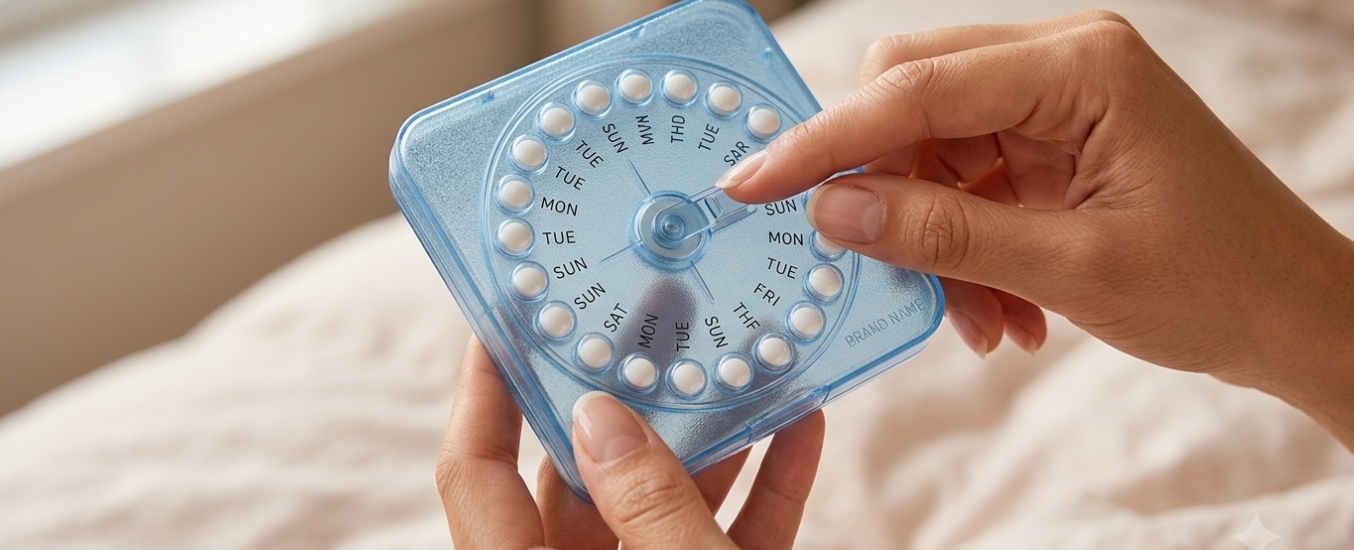
Women ingest one tablet per day containing a specific dosage of hormone replacement medication. Oral tablets are easily accessible and convenient to administer; however, oral tablets have a slightly greater risk of blood clots compared to other transdermal methods since oral tablets must first be metabolized by the liver prior to entering circulation.
Pellets
Small implants made of pellets are implanted subcutaneously and slowly release estrogen over a period of several months. Pellet implantation requires a simple surgical procedure; however, pellet implants provide an extended duration of maintenance-free administration.
Vaginal Treatments
Topical estrogens (creams, pessaries, rings) apply localized estrogen directly onto the vagina. Vaginal estrogens are typically used to treat vaginal atrophy and pain associated with sexual activity, and not for general menopause symptoms.
Benefits of Hormone Replacement Therapy
One of the benefits of HRT is that it alleviates many of the symptoms that postmenopausal women endure. While these symptoms were once thought to be unavoidable, we now know that they can be treated. Symptoms such as hot flashes, night sweats, mood swings, memory loss, poor sleep quality, and vaginal dryness can be relieved with HRT. In fact, most women report an improvement in quality of life while taking HRT.
In addition to relieving symptoms, HRT also has several other beneficial uses. One major use is to prevent osteoporosis. After menopause, women lose bone mass faster than normal. Losing too much bone mass can lead to osteoporosis. HRT helps slow down this loss of bone mass. Studies have shown that women who began HRT shortly after menopause experienced fewer fractures than those who did not begin HRT.
Another potential benefit of HRT is to protect against cardiovascular disease. When a women begins HRT early enough (within ten years of menopause), she appears to have fewer problems with heart disease. Several studies suggest that women who initiate HRT before the age of sixty may have an even greater decrease in heart disease risk than those initiated later.
Research is also emerging about how HRT may help prevent type 2 diabetes and improve cognition.
Risks and Safety of HRT
While HRT is safe for most women, it does pose some risks depending on the type of HRT, method of delivery, dosage, and prior medical condition(s). Breast cancer risk increases with prolonged use of combined HRT. The amount of additional breast cancer risk caused by combined HRT is similar to the additional breast cancer risk posed by heavy drinking or obesity. Estrogen-alone HRT poses little or no risk for most women. The additional breast cancer risk caused by combined HRT diminishes rapidly after discontinuation of the medication.
Transdermal forms of HRT (patches / gels / sprays) appear to have minimal risk of blood clots. Oral forms of HRT (tablets / pills) increase stroke risk. While this risk is statistically significant, it represents a low absolute risk for most women who begin HRT before age 60.
Because there are risks associated with taking HRT, women should carefully evaluate their suitability for the treatment. A thorough evaluation by a healthcare provider is necessary before initiating treatment.
Side Effects of Hormone Replacement Therapy
Hormonal imbalances during menopause can produce numerous side effects. Side effects often dissipate quickly (usually within the first few weeks) after beginning HRT. Common side effects include:
- Breast tenderness / swelling
- Bloating / nausea
- Headache
- Mood swing / irritability
- Spotting / light bleeding (most commonly seen in early-stage users)
These side effects can become persistent or worsen if unaddressed. Dose adjustments or switching from pill / tablet to patch / gel spray delivery systems often eliminate side effects. Women should never abruptly cease HRT usage without consulting their healthcare provider.
When Should You Start HRT?
The timing of initiating HRT is important for optimal relief from symptoms as well as for providing the best long-term health results. Most organizations suggest beginning HRT close to when a woman experiences menopause (typically between ages 45 and 60). The earlier in menopause a woman initiates HRT (especially if within ten years of final menses or before age 60), the greater the protection against heart disease and better overall health results.
Women who undergo premature menopause (premature menopause occurs when menopause occurs before age 40) are often advised by physicians to initiate HRT as soon as possible and continue HRT at least up until the average age of natural menopause. Premature menopause without HRT is strongly associated with an increased risk of cardiovascular disease, osteoporosis, and diminished cognitive performance.
There is no "right" age to stop taking HRT; instead, decisions regarding continuation/discontinuation should be evaluated on an annual basis with your physician, considering present symptoms, individualized risk factors, and evolving health status.
Also read: Hormonal Imbalances in PCOS
HRT Treatment FAQs
Is hormone replacement therapy safe?
How long can you take HRT?
Does HRT cause weight gain?
What is the best type of HRT?
Can HRT reduce menopause symptoms?
What qualifies a woman for HRT?
How do you know if a woman needs hormone therapy?
References
Need to consult a specialist?