IUI vs IVF: Pros, Cons, and Treatment Outcomes
Overview
For many years, the world of assisted reproduction has allowed millions of individuals and couples to establish families that were previously out-of-reach. Among the many assisted reproduction methods used today are IUI (intrauterine insemination) and IVF (in vitro fertilization). Although both treatments involve helping patients conceive, they fundamentally differ regarding how they function, invasiveness, success rates, and costs. With knowledge of the distinctions between these two treatments, patients and their physicians can make educated decisions on whether IUI or IVF is best suited to their specific needs and circumstances.
What Is IUI (Intrauterine Insemination)?
Intrauterine insemination is a type of fertility treatment involving the placement of prepared sperm into the uterus near the time of ovulation. By increasing the amount of sperm reaching the fallopian tubes, the likelihood of natural fertilization occurring within the body increases.
Monitoring of the menstrual cycle to identify the optimal time for fertility (the fertile window) marks the beginning of the IUI procedure. Monitoring can occur in either a natural cycle or concurrently with low-dose ovarian stimulation medication to stimulate the release of one or two eggs. The day before the IUI procedure, a semen specimen is collected by masturbation, processed and washed in a lab to remove excess fluids and separate the sperm, and then placed into the uterus via a thin, flexible tube referred to as a catheter. Most patients report a very brief period of discomfort associated with the IUI procedure.
IUI is considered a non-invasive form of fertility assistance and is commonly recommended as the initial assisted reproduction option before proceeding with other forms of fertility treatment.
What Is IVF (In Vitro Fertilization)?
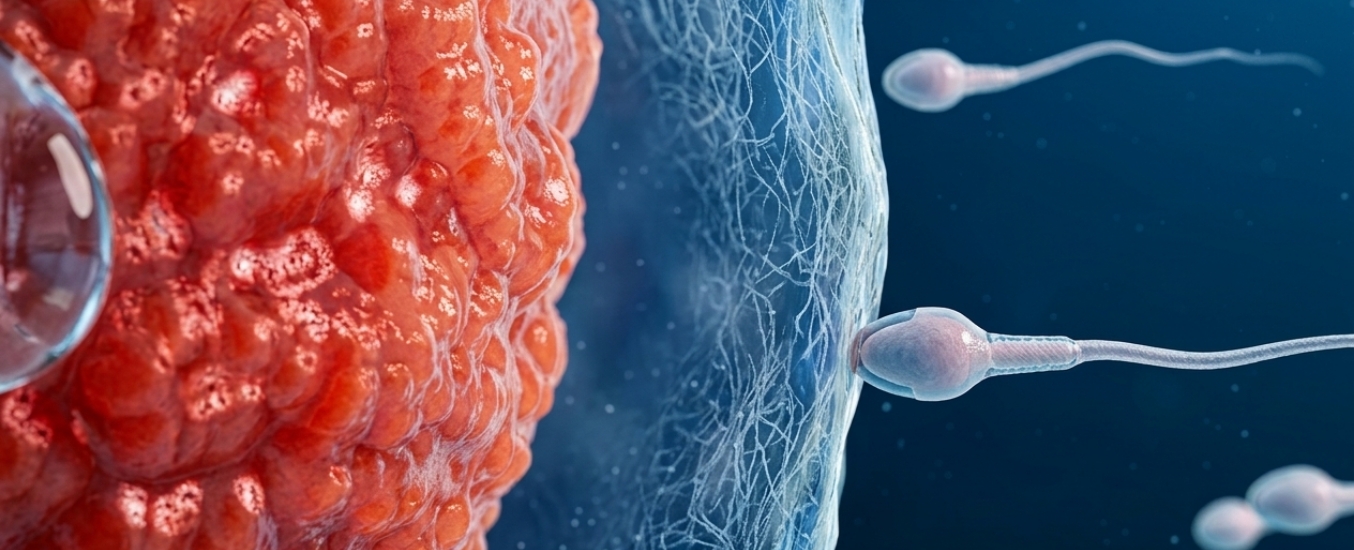
IVF, short for In Vitro Fertilization, is another method of fertility treatment. Instead of placing sperm and eggs together within the female body (and allowing them to fertilize naturally), IVF combines eggs and sperm outside the body in a laboratory. Once created, the embryos produced from this combination are implanted into the woman's uterus with hopes of establishing a successful pregnancy.
The IVF process includes several steps. First, there is ovarian stimulation, using injectable hormones to stimulate the production of multiple eggs in a single cycle. After stimulation, the eggs are retrieved through a minor surgical procedure (performed under sedation) using a hollow needle guided through the vagina into the ovaries. Then, in the lab, the eggs are fertilized with sperm either through traditional insemination techniques or through Intracytoplasmic Sperm Injection (ICSI), where a single sperm is manually injected into each egg. A series of daily assessments of developing embryos follows until one or more are selected for uterine transfer. Additional viable embryos may be cryo-preserved for potential use in future cycles.
As compared to IUI, IVF is more extensive and intrusive, requiring ovarian stimulation, sedated egg retrieval, and a longer duration of overall treatment, yet it provides significantly greater opportunities for success, especially among patients experiencing difficulty conceiving secondary to significant fertility challenges.
Key Differences Between IUI and IVF
There are many ways in which IUI and IVF differ:
Invasiveness:
IUI is minimally invasive. No surgery is required for IUI. No sedation is required for IUI. No egg retrieval is necessary for IUI. IVF, on the other hand, requires an egg retrieval performed under sedation. Additionally, IVF requires a much more aggressive ovarian stimulation regimen, thereby creating a far more physically taxing experience.
Location of Fertilization:
The location of fertilization differs greatly between IUI and IVF. During IUI, fertilization occurs within the body. In contrast, during IVF, fertilization occurs in a laboratory environment, thus providing clinicians full access to manipulate the fertilization process.
Degree of Ovarian Stimulation:
Mild or no ovarian stimulation is usually employed for IUI. Typically, this results in the release of just one or two eggs. Conversely, high-dose ovarian stimulation protocols are almost always employed in conjunction with IVF, resulting in the release of many eggs in a single cycle, maximizing the number of embryos available.
Selection of Embryos:
Selection of embryos is possible with IVF; in fact, evaluation of embryo quality can provide valuable information to aid in selecting which embryo(s) should be transferred to achieve pregnancy. Evaluation of embryo quality is not possible with IUI.
Costs:
Cost-wise, IUI is significantly cheaper per cycle than IVF. Consequently, IUI represents a more financially feasible entry-point for many patients.
IUI vs IVF Success Rates
Success rates for both treatments vary based on age, diagnosis, clinic, and other factors, regardless of which treatment is being utilized. However, age remains the greatest determinant of success with both treatments.
Typically, success rates for IUI range from 10-20% per cycle for women under 35. As age advances, success rates decrease dramatically. At age 40, success rates drop below approximately 5%. Due to individual cycle success rates being quite moderate, IUI is commonly repeated over multiple cycles to yield cumulative results.
Success rates for IVF are significantly higher than those seen with IUI. Live births per embryo transfer typically range from 40-50% at many centers for women <35 utilizing their own eggs. When considering cumulative success rates across numerous treatment cycles, IVF tends to be more efficient at yielding pregnancies, especially for patients diagnosed with fertility-related conditions that diminish the effectiveness of IUI.
IUI vs IVF: Which Treatment Is Right for You?
Ultimately, whether IUI or IVF is right for you depends upon your specific reasons for wanting children, your age, how long you've been trying to conceive, and your personal health background.
IUI is frequently suggested as an initial fertility treatment when fertility challenges remain unexplained, when male factor issues exist that include diminished sperm counts or decreased sperm mobility, and/or when irregularities in ovulation can be managed with mild stimulation. Younger patients with no identifiable anatomical problems may find IUI to be a reasonable starting point.
IVF becomes the preferred treatment route in several scenarios. Fallopian tubes that are blocked or damaged eliminate IUI as an effective option because neither sperm nor egg can naturally meet within the body. Male factor issues that affect sperm quantity/quality sufficiently to require ICSI (intracytoplasmic sperm injection) are well-suited for IVF. Endometriosis impacting fertility also necessitates IVF, as do failed attempts at achieving pregnancy with previous IUI cycles and older reproductive-aged females desiring conception quickly.
Your fertility specialist will evaluate your unique circumstances with diagnostic testing to determine what pathway would be most suitable as your starting point.
IUI vs IVF FAQs
Is IUI less invasive than IVF?
How many IUI cycles should you try before IVF?
Which treatment has a higher success rate?
Is IVF more expensive than IUI?
How many rounds of IUI is average?
References
Need to consult a specialist?